
Our Team
Co-Principal Investigators for Overall Project

Steven J. Sandage, Ph.D., LP, is the Albert and Jessie Danielsen Professor of Psychology of Religion and Theology with a joint appointment in the School of Theology and the Department of Psychological and Brain Sciences at Boston University (BU). He is also Research Director and Senior Staff Psychologist at the Albert and Jessie Danielsen Institute at BU and serves as Visiting Faculty in the Psychology of Religion at MF Norwegian School of Theology in Oslo. His research integrates the fields of (a) positive psychology and virtue, (b) psychology of religion and spirituality, (c) psychotherapy research, and (d) intercultural competence, and he has received funding from the Lilly Endowment, the Fetzer Institute, and the John Templeton Foundation. He is currently PI on Templeton-funded projects investigating humility and spiritual formation among religious leaders and has published empirical and interdisciplinary research in a range of positive psychology and virtue areas, including forgiveness, humility, gratitude, hope, justice, relational development, and well-being. Dr. Sandage’s clinical specializations as a licensed psychologist include couple and family therapy, multicultural therapy, and spiritually-integrative therapy, and he has a demonstration video on forgiveness in couple therapy with the American Psychological Association. He has over twenty years of experience training clinicians in the fields of counseling psychology, clinical psychology, marriage and family therapy, school counseling, and social work. In addition to his role as Co-PI on this project, he has led the Danielsen site project.

Jesse Owen, Ph.D., LP, is Professor of Counseling Psychology at the University of Denver. He has over 150 publications, book chapters, and has co-authored two books (Therapists’ Cultural Humility; Research Design in Counseling). He was funded by JTF’s Bridges project as a Co-PI of a project investigating spiritually-integrative therapy in a correctional context. He is also Co-I on two federally funded projects. His area of research focuses on psychotherapy processes and outcomes with an emphasis on therapist effects, multicultural processes (including cultural humility), and the interaction between techniques and the therapeutic relationship. Dr. Owen is the Editor of one APA top-tier journal (Psychotherapy) and was previously an Associate Editor for the Journal of Counseling Psychology, Psychotherapy, and Archives of Sexual Behavior. He was awarded the Early Career Award for two APA Divisions [Divisions 17 (Counseling Psychology); 29 (Psychotherapy)] and is also an APA Fellow for his contributions towards the promotion of psychotherapy. Dr. Owen also engages in clinical practice with specialties in treating both individuals and couples. In addition to this role as Co-PI on this project, he has lead the U. Denver project on virtue and flourishing among therapists.
Principal Investigators for Site Projects

Jeremy Coleman
Jeremy J. Coleman, Ph.D., is an Assistant Professor in the Educational Psychology Department at the University of Utah. His research examines how systemic, cultural, and socioeconomic factors shape psychotherapy processes and outcomes, with a focus on advancing health equity in community and university mental-health settings. He leads a psychotherapy research lab, where his team develops and evaluates multiculturally-oriented client feedback systems, socioeconomic- and social-determinant-of-health indices, flourishing, and technology-enhanced approaches including AI-assisted fidelity monitoring to support equitable, measurement-based care. Dr. Coleman is also active in national service and policy efforts related to socioeconomic justice and access to mental-health services.

Catherine Eubanks
Catherine F. Eubanks, Ph.D., is a Professor at the Gordon F. Derner School of Psychology at Adelphi University and co-Director of the Center for Alliance-Focused Training. Her research focuses on how to help therapists identify and repair ruptures in the therapeutic alliance. Dr. Eubanks is a past president of the Society for the Exploration of Psychotherapy Integration (SEPI), a Fellow of the Society for the Advancement of Psychotherapy/APA Division 29, past Executive Officer of the North American chapter of the Society for Psychotherapy Research (SPR), and a previous recipient of early career awards from both Division 29 and SPR. She currently serves as Managing Editor of the journal Psychotherapy Research and previously served as an Associate Editor of the Journal of Clinical and Consulting Psychology (JCCP).

Todd Farchione, Ph.D., LP, is Research Associate Professor of Psychology at Boston University and Associate Director of Unified Treatment Program, Center for Anxiety and Related Disorders. Dr. Farchione’s research interests are focused on the psychological factors associated with the development of anxiety and mood disorders. In particular, he is interested in the development of more effective treatments for these disorders and is currently working with Dr. David Barlow investigating a new unified transdiagnostic treatment for anxiety and mood disorders. In addition, Dr. Farchione directs the Intensive Treatment Program for Panic Disorder and Specific Phobias and is currently investigating the impact of cognitive-behavioral treatments on well-being and virtue. He has lead the CARD site project.

Martin Kivlighan
Martin Kivlighan, Ph.D., is Professor and Chair of the Department of Psychological and Quantitative Foundations in the University of Iowa (UI) College of Education. He earned his PhD in Counseling Psychology from University of Wisconsin – Madison in 2015 and completed his pre-doctoral internship at the University of Maryland Counseling Center. His research interests are in psychotherapy process and outcome, group psychotherapy, and psychotherapy training. He was recently awarded a federal grant from the US Department of Health to increase doctoral training in integrative behavioral healthcare, substance use prevention and treatment, and telepsychology. As part of this grant, he serves as the co-director of the Telepsychology Training Clinic (TPTC) housed in the College of Education. The TPTC is a community-based training clinic that provides free and accessible mental health services to underserved and underinsured Iowans across the state. Kivlighan also serves as PI for a federal grant aimed at providing suicide prevention and mental health training to K12 educators. Kivlighan is a licensed psychologist in the state of Iowa and Affiliated Faculty in the UI Department of Internal Medicine and Department of Psychiatry.

Stacey McElroy-Heltzel
Stacey McElroy-Heltzel, Ph.D., LP, is an Associate Professor of Counseling Psychology at the University of Iowa. Her research interests are in positive psychology, particularly humility and its subdomains (e.g., cultural humility, intellectual humility, relational humility), forgiveness, and religion/spirituality. She is also interested in measurement development and evaluation. Her current work focuses on interventions to support the development of intellectual humility and methods to triangulate self-report measures of intellectual humility with behavioral and physiological data. She has led projects funded by JTF examining intellectual humility in political contexts and mechanisms that promote the development of intellectual humility.

Cheri Marmarosh
Cheri Marmarosh, Ph.D., is a full-time Professor of Clinical Psychology at the George Washington University and has been there for 20 years where she has been studying how attachment relates to coping with oppression, group processes, and outcome in individual and group psychotherapy. She is currently collaborating with researchers at McLean Hospital studying spirituality and mental health, with HealthTree to understand flourishing with incurable cancer, with Divine Mercy University studying forgiveness, and with doctors at Mass General to develop and study an intervention that facilitates wellbeing for patients diagnosed with Multiple Myeloma. This year, she is the PI in a subaward for a Templeton Grant focusing on the effectiveness of training intervention that fosters flourishing from a cultural dynamic perspective in professional psychology education. Dr. Marmarosh is a licensed psychologist who has been practicing in D.C. for 30 years. Dr. Marmarosh is the lead author of two books, Attachment in Group Psychotherapy and Groups: Fostering a Culture of Change. She is the Editor of the book, Attachment in Group Psychotherapy. She published two videos on group psychotherapy for the American Psychological Association’s (APA) psychotherapy series. Dr. Marmarosh is the current editor for The International Journal of Group Psychotherapy. She is a Board Certified Psychologist (ABPP), and she is a Fellow of the American Group Psychotherapy Association (AGPA), Division 29 (Psychotherapy), and Division 49 (Group) of the APA. She was awarded the Group Psychologist of the Year in 2021 and the Teaching/Mentoring awards from Division 29 (2019) and 49 (2023). Dr. Marmarosh also received the Alonso Award for Contribution to Psychodynamic Theory and Group Therapy from the American Group Psychotherapy Association.

Y. Joel Wong
Y. Joel Wong, Ph.D., is a Provost Professor of Counseling Psychology at Indiana University and a Fellow of the American Psychological Association (Divisions 17, 45, and 51) as well as of the Asian American Psychological Association. An author of more than 150 peer-reviewed journal articles, Dr. Wong has also edited two books and currently serves as Editor of the APA journal Psychology of Men and Masculinities. Dr. Wong has a long-standing interest in the interface between psychotherapy and virtues, having developed one of the first therapeutic approaches to focus primarily on identifying and cultivating clients’ virtues (Wong, 2006). His current research focuses on developing and assessing gratitude interventions and practices. He and his collaborator Dr. Josh Brown previously received a grant from the Greater Good Science Center (funded by the Templeton Foundation) to study the use of a gratitude writing intervention in psychotherapy. Regarding his clinical interests, Dr. Wong has demonstrated the use of gratitude micro-interventions in psychotherapy in an APA video on strengths and flourishing in psychotherapy and developed an eight-week psychoeducational group program to help individuals cultivate gratitude.

Mary Zanarini, Ed.D., LP, is Professor of Psychology at Harvard Medical School and Director of the Laboratory for the Study of Adult Development at McLean Hospital. During the past 30 years, she has studied the etiology, phenomenology, treatment, and course of borderline personality disorder (BPD). Her longitudinal study, the McLean Study of Adult Development (MSAD), is now in its 24th year. She has been PI on numerous treatment trials of psychosocial treatments and psychotropic medications for BPD, including an evidence-based internet-based early treatment for BPD—BPDPSYCHOED. She has also studied BPD in adolescents and children and in the offspring of adults with BPD. In addition, she has developed some of the most widely used interviews for diagnosing BPD (DIB-R and the DIPD) and the gold standard for assessing change in symptom severity over time (Zanarini Rating Scale for Borderline Personality Disorder or ZAN-BPD). She has recently established the prognostic relevance of virtues for BPD recovery and has lead the McLean site project.
Co-Investigators

Matteo Bugatti
Matteo Bugatti, Ph.D., is an Assistant Professor of Psychology and Director of the IMPACT Lab at Oregon State University. He received a Ph.D. in Clinical Psychology from the University at Albany, State University of New York. Dr. Bugatti is committed to advancing psychotherapy by investigating how emerging technologies can be harnessed to personalize and optimize psychological treatments and therapist training.

Laura E. Captari, Ph.D., LP, is a Staff Psychologist and Academic Researcher at The Albert and Jessie Danielsen Institute at Boston University, and has served as adjunct faculty at multiple area universities. In her roles as a psychotherapist, researcher, supervisor, and teacher, she brings a holistic, depth-oriented, and systemic perspective to understanding human experience, suffering, and healing. Dr. Captari’s research in psychotherapeutic and community contexts explores the developmental and relational impacts of trauma, disaster, and loss across the lifespan, with particular interest in how culturally embedded strengths and virtues can serve as pathways to resilience and flourishing. Her scholarly work also explores novel approaches to address clinicians’ risks for vicarious trauma and build professional longevity. She is co-author of the forthcoming book, Systemic Treatment of Trauma-Impacted Families.

Sarah A. Crabtree, Ph.D., LMFT, is the Assistant Director of Research and a Licensed Marriage and Family Therapist at the Danielsen Institute. Her clinical and research interests include the intersections of religion and spirituality, forgiveness and humility, couple/romantic relationships, intercultural competence, systems of power and inequality, and substance use. As a clinician, Dr. Crabtree brings experience working with individuals, couples, and families around a variety of concerns in community mental health, residential treatment programs for substance use disorders, and group practice settings. She has assisted with quantitative and qualitative data collection, analyses, and dissemination of findings for the Danielsen project and has also overseen development of the software platform project.

Emma Freetly Porter
Emma Freetly Porter, Ph.D., is an Assistant Professor of Psychology in the Derner School of Psychology at Adelphi University. Her research examines psychotherapy processes and outcomes, with a focus on preventing and navigating cultural ruptures and advancing cultural humility in clinical practice. She also investigates gender-based violence, particularly how institutional responses- including institutional betrayal- influence survivors’ wellbeing and recovery.

Judy Gerstenblith
Judy Gerstenblith, Ph.D., (she/her) is an Academic Researcher and Staff Psychologist at the Danielsen Institute at Boston University. She earned her doctorate in Counseling Psychology from the University of Maryland, College Park, where her research focused on psychotherapy process and outcome. Dr. Gerstenblith is passionate about attending to the well-being of helping professionals and nurturing the spiritual formation of religious leaders. Her work also focuses on training therapists in helping skills and responsive attunement, cultivating healthy and reflective training and supervision spaces, and exploring relational virtues and existential themes in psychotherapy. Dr. Gerstenblith co-authored the sixth edition of Helping Skills: Facilitating Exploration, Insight, and Action, accompanied by a demonstration video through the American Psychological Association. At the Danielsen Institute, she conducts research, provides therapy for individuals and couples, and facilitates personal and professional formation groups for clergy, chaplains, and mental health professionals.

Kelly Gleischman
Kelly Gleischman, M.Psy., M.A.T., is a doctoral candidate in clinical psychology at George Washington University and a leadership expert with over 15 years of experience in organizational consulting and leadership development. As a former Chief Executive Officer, board member, senior advisor, and consultant, she has partnered with hundreds of organizations across the country to design inclusive leadership practices and build equity-centered training and supervision systems. Kelly is the Founder and CEO of KLG & Associates, a national talent strategy firm specializing in inclusive leadership development and organizational culture. Kelly’s research interests include the application of attachment theory to the study of psychotherapy process and outcomes, and her dissertation is focused on how epistemic trust functions in the context of group psychotherapy. Kelly holds a B.A. from Stanford University, a M.A.T. from American University, and a M.Psy. from George Washington University.

Kristen Hydinger
Rev. Kristen Hydinger is a research fellow at the Danielsen Institute. She has a Master of Divinity from Boston University and a Master of Arts (Sociology) from the University of Texas – Austin. She is an ordained Baptist minister and completed her first unit of Clinical Pastoral Education at Massachusetts General Hospital in March 2020. Her research interests meet at the intersection of religion & spirituality, family, sexuality, and trauma. She uses an interdisciplinary approach to study these themes from the perspectives of theology, sociology, history, and psychology. Kristen is a coauthor of multiple articles on well-being and formation and has presented Danielsen research domestically and internationally. She is currently working with other Danielsen colleagues on projects related to humility, moral injury, burnout, and resilience among religious leaders and therapists. As a minister, Kristen strives to be a spiritual presence to all regardless of their affiliation with any formal or organized religious group.

Laura Long
Laura Long, Ph.D.'s program of research integrates clinical and positive psychology to examine risk and resilience processes underlying emotional disorders, with the goal of developing treatments that not only reduce distress but also promote flourishing. While traditional cognitive-behavioral approaches have emphasized down-regulating negative emotion, her recent work has focused on cultivate positive affect and broader well-being during treatment to foster more complete mental health. Recently, she has contributed to randomized controlled trials of the transdiagnostic Unified Protocol (UP) for emotional disorders, including a digital adaptation that more explicitly targets positive emotion regulation (iUP+). Her work has shown that hope predicts long-term well-being following CBT, that savoring and gratitude may serve as key treatment mechanisms, and that digital CBT can enhance flourishing alongside symptom reduction. Dr. Long is proficient in advanced quantitative methods, including multilevel modeling, structural equation and latent growth modeling, random-intercept cross-lagged panel modeling, measurement invariance testing, and meta-analysis, and has published widely using these approaches. She aims to continue developing and testing transdiagnostic interventions that engage client strengths or virtues and enhance positive emotion regulation to improve mental health across diverse clinical and cultural contexts.

M. Mookie Manalili
M. Mookie C. Manalili is a psychotherapist, professor, and researcher with particular interest in suffering, embodiment, narratives, forgiveness, and justice. Mookie is an LICSW psychotherapist in a private group practice, utilizing narrative therapy, psychoanalytic approaches, mindfulness traditions, and trauma neuroscience. He is also Part-Time Faculty at the School of Social Work and Department of Psychology and Neuroscience. Additionally, he is co-chair of Psychology and the Other Conference, associate editor of the namesake book series through Routledge: Taylor & Francis Group, and co-leader of the Psychological Humanities Lab with David Goodman at Boston College. Finally, he's a PhD Student at Boston University, studying Pastoral Counseling and Psychology, studying under Steven Sandage with the Danielsen Institute's Center for Study of Religion and Psychology. Mookie consults for various dioceses and projects in the Roman Catholic Church. In all his various roles, Mookie hopes to participate in our duty to better our society: particularly for folks who disproportionately suffer injustices; for the widow, orphan, and stranger.

J. Christopher Muran
J. Christopher Muran, Ph.D., is Dean and Professor at the Gordon F. Derner School of Psychology, Adelphi University, where he served as training director for the doctoral program in clinical psychology (2009-2021). He completed postdoctoral training in cognitive therapy (University of Toronto) and psychoanalysis (New York University). He is a fellow of the American Psychological Association (Divisions 12 and 29) and on its Advisory Steering Committee for Clinical Practice Guidelines. He is past president of the International Society for Psychotherapy Research, past editor of its journal Psychotherapy Research, and recipient of its Distinguished Career Award. He is also recipient of the Alfred M. Wellner Lifetime Achievement Award for Research Excellence from the National Register and the Distinguished Psychologist Award for Lifetime Contributions to Psychology and Psychotherapy from APA Division 29. He currently serves on the editorial boards for the Journal of Consulting & Clinical Psychology and Clinical Psychology: Science & Practice. Since 1990, Dr. Muran has been Principal Investigator of the Psychotherapy Research Program at Beth Israel Medical Center (now Mount Sinai Behavioral Health), which has been funded by grant awards from the National Institute of Mental Health. He was Chief Psychologist at Beth Israel for 15 years (1994-2009) and is on faculty at Icahn School of Medicine at Mount Sinai. He was also appointed to the faculty of New York University Postdoctoral Program in 2021 and held the Horst Kächele Chair (visiting professorship) at International Psychoanalytic University/Berlin in 2022. Dr. Muran has published over 200 papers and 10 books, including Alliance-focused training: An evidence-based guide to negotiating rupture (2026; with colleagues), Therapist performance under pressure: Negotiating emotion, difference & rupture (2020; with Catherine Eubanks), Practice-oriented research (2016; with Louis Castonguay), The therapeutic alliance: An evidence-based guide to practice (2010; with Jacques Barber), Dialogues on difference: Diversity studies of the therapeutic relationship (2007), Self-relations in the psychotherapy process (2001), and Negotiating the therapeutic alliance; A relational treatment guide (2000; with Jeremy Safran). He has also co-produced four video demonstrations on alliance rupture repair and alliance-focused training.
%20Unruh%20headshot%20photo%20TCC.jpg)
Brandon Unruh, M.D., is an Instructor in Psychiatry at Harvard Medical School and the medical director of the Gunderson Residence of McLean Hospital, a specialized residential program for individuals with severe personality disorders. He is the founding director of McLean’s outpatient Mentalization-Based Treatment clinic for personality disorders. His clinical approach is anchored in the integration of evidence-based treatments for personality disorder such as dialectical behavior therapy (DBT), mentalization-based treatment (MBT), transference-focused psychotherapy (TFP), and good psychiatric management (GPM). He is an international MBT trainer and supervisor through the Anna Freud Centre in London, and one of the original cohort of GPM trainers established by John Gunderson. He has published on a variety of topics including suicide, personality disorders, spirituality, medical ethics, general hospital psychiatry, and literature and medicine. He is co-investigator with Mary Zanarini on a randomized controlled trial studying an MBT group intervention developed to promote flourishing and character virtues in individuals with borderline personality disorder. His academic interests also include the treatment of pathological narcissism, and the relationships between mental health and spirituality in both pathological and healthy forms. He is a co-developer of Mentalization-Based Treatment for Pathological Narcissism (MBT-N) along with Robert Drozek and Anthony Bateman, with whom he co-authored the treatment manual Mentalization-Based Treatment for Pathological Narcissism: A Practical Guide (Oxford, 2023) and with whom he regularly teaches and supervises clinicians and systems implementing this model. He co-edited Borderline Personality Disorder: A Case-Based Approach (Springer, 2018), a generalist guide for clinicians learning to manage BPD.

Lauren M. Zaeske, Ph.D., (she/her) is a Postdoctoral Research Fellow at the Albert & Jessie Danielsen Institute. She received her Ph.D. in Counseling Psychology from the University of Kansas (Lawrence, KS) and completed her doctoral internship in health service psychology at Lehigh University’s Counseling and Psychological Services (Bethlehem, PA). Dr. Zaeske’s dissertation explored the process of healing and psychotherapy for those who have been harmed by adverse religious/spiritual experiences, eliciting both lived experience and psychotherapist perspectives. Dr. Zaeske’s research interests include the psychotherapy process for spiritual/existential/religious/theological (SERT) topics and concerns, the psychological impact of adverse religious/spiritual experiences and process of healing, and the development of virtues and flourishing.
Advisors

Elise Ji Young Choe
Elise Ji Young Choe, Ph.D., is an assistant professor in the counseling psychology program at Georgia State University. Dr. Choe’s research interests include how virtues and strengths may promote resilience for individuals and groups. She is also interested in the deconstruction and reconstruction of psychological theories, models and constructs from a critical, post-colonial lens to more fully capture the experiences of diverse individuals and communities. Her research interests also include examining psychotherapy processes and how to help clinicians personally flourish to improve their professional work.
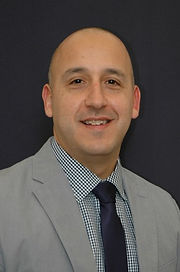
Michael Constantino, Ph.D., LP, Professor of Psychological and Brain Sciences and Director of the Psychotherapy Research Lab, University of Massachusetts Amherst. Across diverse therapeutic modalities and mental health concerns, Dr. Constantino’s primary scientific contributions include: investigating patient and dyadic characteristics (traits) and longitudinal processes (states) that influence treatment outcomes; developing, testing, and implementing personalized and contextually responsive interventions that draw on both theory-specific and theory-common principles of change; and establishing, understanding, and prospectively leveraging therapist effectiveness differences as a form of measurement-informed care. Dr. Constantino has authored over 200 journal articles and book chapters in leading journals and books in the field, and he has received ample extramural funding for his research. He also co-authored or co-edited the books: Principles of change: How psychotherapists implement research findings in practice, The essentials of deliberate practice: Cognitive-behavioral therapy, and the American Psychological Association (APA) Handbook of psychotherapy. Dr. Constantino has received several early- and mid-career research awards, including from the International Society for Psychotherapy Research, the Society for the Advancement of Psychotherapy (APA Division 29), and the Society for the Exploration of Psychotherapy Integration. He is also an APA Fellow. Among other professional positions, he is an Associate Editor for Psychotherapy and the Journal of Consulting and Clinical Psychology, a member of the APA Advisory Steering Committee for Development of Clinical Practice Guidelines, and Past-President of the Society for the Advancement of Psychotherapy and the North American Society for Psychotherapy Research.
.jpg)
Joseph Currier
Joseph Currier, Ph.D., is a licensed psychologist and Professor of Psychology at the University of South Alabama (USA). His research focuses on understanding and addressing the multifaceted role of spirituality/religion in trauma, moral injury, and other mental health challenges in clinical training and practice. He has published numerous peer-reviewed articles in support of these lines of work along with two books, with the American Psychological Association (APA), entitled Trauma, Meaning, and Spirituality: Translating Research into Clinical Practice and Addressing Moral Injury in Clinical Practice. His work has been funded by the John Templeton Foundation (JTF), Templeton World Charity Foundation, Robert Wood Johnson Foundation (RWJF), SAMHSA, and HRSA. He served as the Director of Clinical Training for the Clinical and Counseling Psychology Doctoral Program at USA from 2015-2020, Clinical Director for Veterans Recovery Resources from 2018-2022, and was a RWFJ Clinical Scholar Fellow from 2018-2021. He is the incoming editor for APA’s Spirituality in Clinical Practice.

Don (Donnie) Davis Jr., Ph.D., is a Professor of Psychology at Georgia State University. Donnie did undergraduate work at Yale and his doctorate at Virginia Commonwealth University. He completed his psychology pre-doctoral internship at Clemson University and is currently licensed in the state of Georgia. A member of the Matheny Center for the Study of Stress, Trauma, and Resilience, Donnie has worked on over 30 grants, many with the John Templeton Foundation. His research and clinical interests are in the area of positive psychology. His work focuses on humility and related virtues such as forgiveness and gratitude. He also does work on the role of religion/spirituality in character development. He has published over 300 articles or chapters. He has also written books on several of these themes. A major passion is early career investment and making that phase easier to navigate. He co-founded the Good Life Research Network. He is the Associate Editor of the Journal of Positive Psychology and the Psychology of Religion and Spirituality. Donnie has a spouse/partner and three kids, Catherine (age 17), Adam (age 12), Emerson (age 6) and enjoys biking, hiking, and other outdoor activities—and he loves reading.

David Goodman, Ph.D., LP, is Dean of the Woods College of Advancing Studies and Executive Director of the Center for Psychological Humanities and Ethics at Boston College. He is also on the faculty of three departments: Formative Education, Counseling, Developmental, and Educational Psychology, and Philosophy. Dr. Goodman is the Series Editor for the Psychology and the Other Book Series with Routledge and has published over a dozen books bringing psychology, philosophy, and theology into conversation with one another. His abiding interest is in expanding the capacity of clinicians to think more capaciously about human identity, suffering, and potential, with much of his scholarship and leadership focused on this work. Dr. Goodman is also a licensed clinical psychologist and has a private practice in Boston, MA.

Shigeru Iwakabe
Shigeru Iwakabe, Ph.D., is a Professor of Clinical Psychology at Ritsumeikan University in Osaka, Japan. He has led psychotherapy research laboratories at three universities and currently supervises a vibrant research team of over 20 members. Dr. Iwakabe served as President of the Society for Psychotherapy Research (SPR) and the Society for the Exploration of Psychotherapy Integration (SEPI) and has held leadership roles in several key organizations, including the Executive Committee of the Association of Japanese Clinical Psychology and the founding board of the Japanese Society for Psychotherapy Integration. He has also contributed to national policy initiatives, serving on committees tasked with developing Japan’s training systems for clinical psychologists. He has authored more than 160 articles in national and international journals and has translated numerous seminal works in psychotherapy into Japanese, including over 30 psychotherapy demonstration videos. In addition to his academic work, Dr. Iwakabe maintains an active clinical practice at the Japan Institute of Emotion-Focused Therapy, where he works alongside former students. A certified Emotion-Focused Therapy (EFT) trainer, he has led workshops across Japan and Taiwan. He has also been a co-chair of AEDP Research Committee.

Peter Jankowski, Ph.D., LMFT, Associate Professor of Psychology, Bethel University, a Visiting Researcher at the Danielsen Institute at Boston University, and approved as a supervisor by the American Association of Marriage and Family Therapy (AAMFT). Dr. Jankowski has offered expertise on positive psychology and virtue research, statistical methods (e.g., latent trajectory and multi-level modeling of longitudinal data), and clinical practice and training in the field of marriage and family therapy for the overall project and the Danielsen site project.

Heidi M. Levitt, Ph.D. (she/her), is a Professor at The University of Massachusetts Boston. She is Editor-in-Chief of Qualitative Psychology and a past-president of the Society of Qualitative Inquiry in Psychology (SQIP). She chaired the development of the SQIP recommendations for reviewing and designing qualitative research (Levitt et al., 2017) as well as the inaugural APA Journal Article Reporting Standards for qualitative, qualitative meta-analytic, and mixed methods research (JARS-Qual; Levitt et al., 2018) and facilitated their integration into the 7th edition of the Publication Manual of the APA (APA, 2020). Her research focuses on LGBTQ+ genders, interventions for LGBTQ+ stigma, and psychotherapy theory-common topics, such as responsiveness and clinical wisdom. She was awarded the Distinguished Contributions in Qualitative Inquiry Award from APA Division 5, which honors an individual who has had a "distinguished history of scientific contributions within the field of qualitative research methods." She has written books on qualitative reporting standards and on critical-constructivist grounded theory methods and has a forthcoming book that presents an LGBTQ+ inclusive empirically-based model of gender.

Andrés Pérez-Rojas
Andrés Pérez-Rojas is a tenured Associate Professor in the Counseling and Counseling Psychology programs and currently serves as Director of Clinical Training for the Counseling Psychology Ph.D. program at Indiana University. His research focuses on psychotherapy process and outcomes, with particular attention to cultural processes (e.g., cultural comfort and cultural humility), structural competency, and their impact on mental health and psychotherapy outcomes. He is also interested in college counseling and mental health and uses quantitative, qualitative, and mixed methods approaches in his work. He is a Fellow of the American Psychological Association (Divisions 17 and 29), an Associate Editor for Psychotherapy and Journal of Counseling Psychology, and the Director of the Public Interest and Social Justice Domain of APA Division 29 (Society for the Advancement of Psychotherapy).

Brad Shuck
Brad Shuck, Ed.D., is Associate Professor and Program Director in the Human Resource and Organizational Development Program at the University of Louisville (Louisville, KY). His research focuses on core experiences of work including how employees experience engagement in the workplace, compassionate leadership, and organizational development. Shuck holds faculty affiliate status with the Department of Counseling and Human Development (UofL) and has done extensive work with the United States Army. Shuck’s current research projects are focused on compassion fatigue and the relationships between compassion, wellbeing, and performance. His work integrates engagement theory alongside individual level health outcomes and performance. He has consulted with the U. Denver project on therapist flourishing in the area of organizational development.

Karen Tao, Ph.D., LP, Assistant Professor of Counseling Psychology, University of Utah. Dr. Tao’s research interests are focused on the reduction of disparities in the access, service, and quality of mental health and education for marginalized groups. Dr. Tao has published on multicultural orientation, cultural humility, and other multicultural processes in psychotherapy. She has utilized a wide range of methods to identify factors related to client improvement (e.g., meta-analyses, qualitative, mixed methods). Dr. Tao is a Co-Investigator on the U. Denver site project has lent her theoretical and clinical skills to researchers at the various sites, as well as assisting with writing and dissemination in interdisciplinary cultural networks.

Ladislav Timulak
Ladislav Timulak, Ph.D., is Professor in Counselling Psychology at Trinity College Dublin, Ireland. He is Course Director of the Doctorate in Counselling Psychology. Ladislav (“Laco”—read “Latso”) is involved in various psychotherapy trainings in Ireland and internationally. His main research interest is psychotherapy research, particularly the development of emotion-focused therapy (EFT). He currently is adapting this form of therapy as a transdiagnostic treatment for depression, anxiety, and related disorders. He is also researching the use of mental health interventions delivered online. He has written or co-written ten books, more than 100 peer reviewed papers and chapters in both his native language, Slovak, and in English. His most recent books include Transforming Emotional Pain in Psychotherapy: An Emotion-Focused Approach (2015), Transforming Generalized Anxiety: An Emotion-Focused Approach (with James McElvaney; 2018); Essentials of Descriptive-Interpretive Qualitative Research: A Generic Approach (with co-author Robert Elliott); Transdiagnostic Emotion-Focused Therapy (with co-author Daragh Keogh); Essentials of Qualitative Meta-Analysis (with Mary Creaner) and Transforming Emotional Pain: An Emotion-Focused Workbook. with several co-authors. He maintains a part-time private practice.
Administration

Lauren E. Kehoe, M.A., is the Associate Director of Administration and Finance of the Danielsen Institute where she has worked for over twenty years. She holds a Master’s degree in English Literature from Boston University and nearly got a doctorate in English Renaissance tragedies and histories before she realized that a tragedy that she could do something about was the inability of therapists to organize themselves. Having seen many clients through multiple transfers from clinician to clinician, she sees a definite connection between her literary studies of notions of the liminal and the administration of outpatient psychotherapy. She has co-authored a conceptual paper and an empirical study on the relational ecology of psychotherapy that highlights the complex and influential role of systemic and relational dynamics between clients and administrative dynamics, which will be part of the Danielsen research for this project. She has helped manage financial and other administrative aspects of this project and overseen the technological aspects of the software platform assessment project at Danielsen.